
Servicing an electric or hybrid car: what changes, and what doesn’t
No oil changes for an electric car, brakes that last longer, tyres that may not: what really changes in the service plan, and why a hybrid is still serviced like a petrol car.
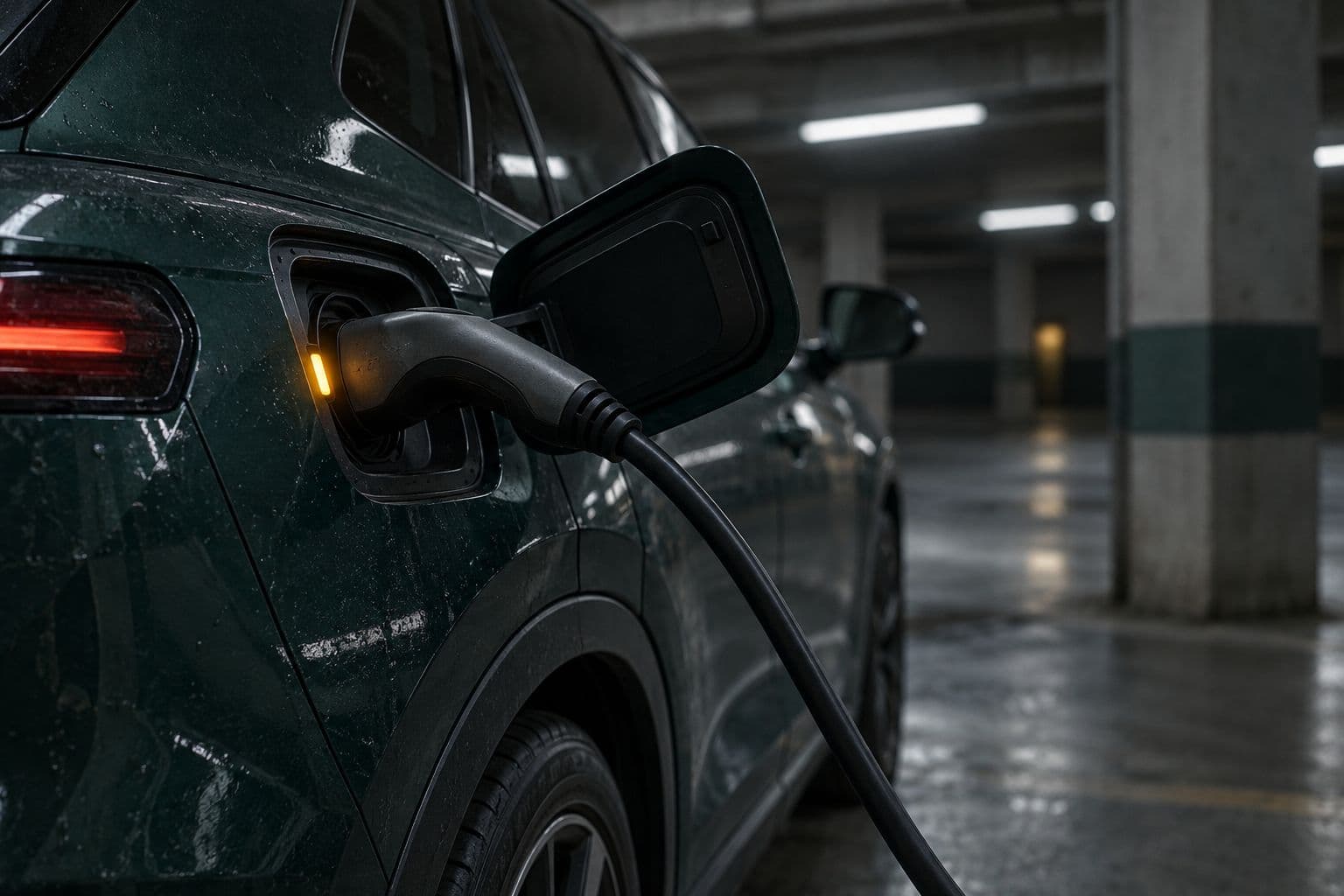
An electric car has no engine oil to change, no spark plugs and no exhaust. It's easy to read that as no servicing at all. It isn't: it's a shorter list, with a couple of items that matter more than they did before. And a hybrid, whatever the badge says, is still serviced much like a petrol car.
What an electric car leaves out
The US Department of Energy puts it plainly: all-electric cars typically need less maintenance than petrol ones, because the battery, motor and electronics require little to no regular maintenance, there are fewer fluids such as engine oil to look after, and there are far fewer moving parts.
What goes from the list is everything that belongs to an engine: the oil and its filter, the engine air filter, the spark plugs, the timing belt. What stays is everything that belongs to a car: brakes, tyres, suspension, wipers, lights, the air conditioning, and the cabin air filter.
A hybrid is serviced like a petrol car
A hybrid, and a plug-in hybrid, still has a petrol engine, and the engine needs what engines need. In the Department of Energy's words, because they have internal combustion engines, their maintenance requirements are similar to those of conventional vehicles. Expect oil changes on the usual kind of interval, even if the engine runs less of the time.
| Petrol | Hybrid | Electric | |
|---|---|---|---|
| Engine oil and filter | Yes | Yes | No |
| Spark plugs, engine air filter | Yes | Yes | No |
| Brake pads and discs | Normal wear | Last longer | Last longer |
| Brake fluid | On a time interval | On a time interval | On a time interval |
| Tyres | Rotate and check | Rotate and check | Rotate and check; can wear faster |
| Cabin air filter | Yes | Yes | Yes |
Brakes: longer life, same fluid
When you lift off the accelerator in an electric car or a hybrid, the motor slows the car and puts energy back in the battery. That's regenerative braking, and it means the brake pads do far less of the work. The Department of Energy notes that brake wear is significantly reduced as a result.
The brake fluid is another matter. It takes in moisture from the air over time, which is why every container of it in the US must carry the warning to keep it tightly closed. That happens whether the brakes are used hard or hardly at all, so an electric car's brake fluid is checked and changed on a time interval too. Your manual gives the interval.
Tyres take more of the strain
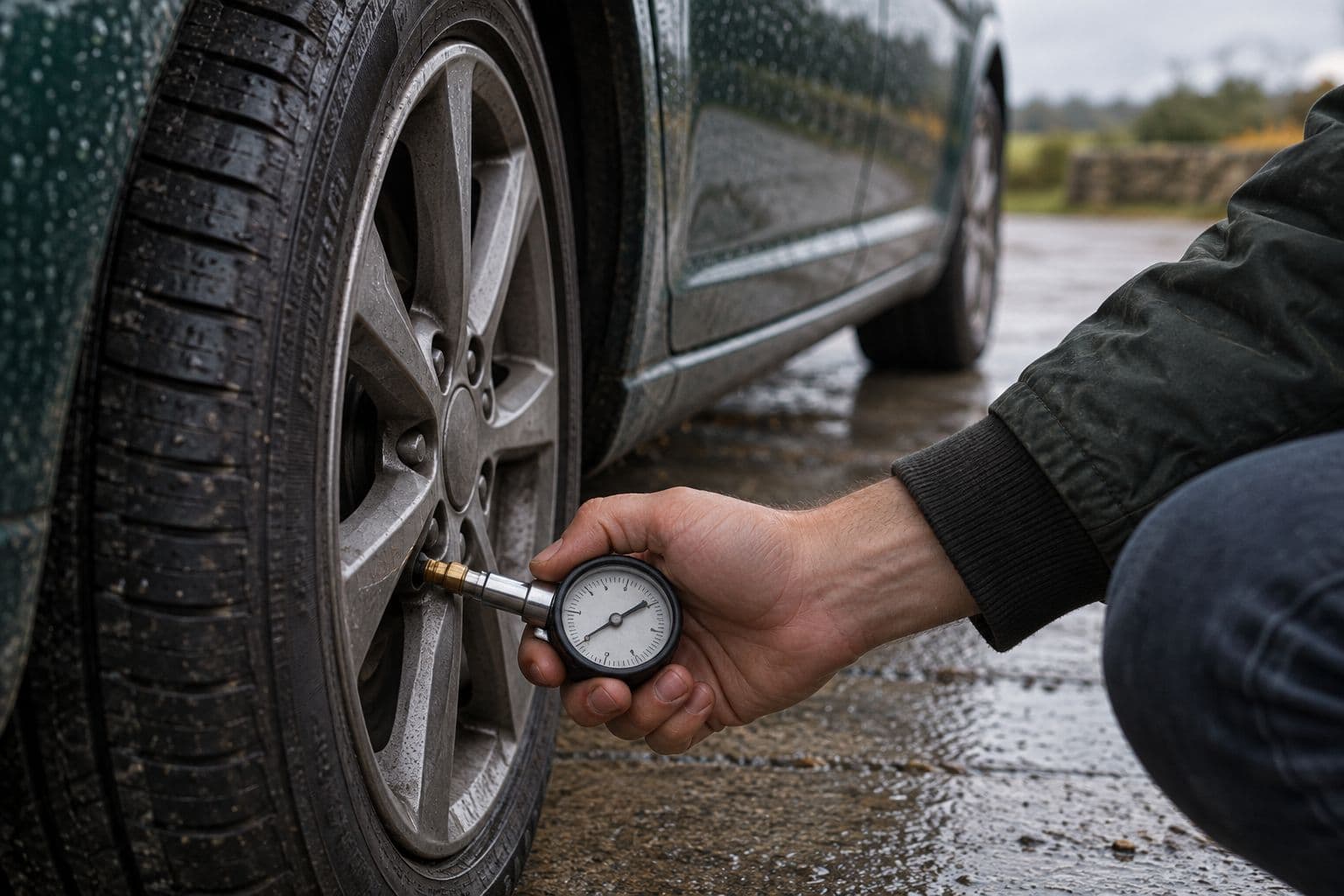
Electric cars are heavy, often 25 to 50% heavier than a petrol equivalent, and they deliver their torque instantly. AAA reports that their tyres usually wear about 20% faster. Rotating them at the intervals in your manual, and keeping them at the right pressure, helps them wear evenly and last.
The battery and its warranty
The large battery that drives the car isn't something you service, but its warranty is worth knowing: according to the Department of Energy, many manufacturers offer 8-year or 100,000-mile warranties on their electric-car batteries. Check yours, and keep the paperwork where you can find it.
Every car is different, and your owner's manual has the schedule to follow.
Sources
- US Department of Energy, Alternative Fuels Data Center, Maintenance and Safety of Electric Vehicles (maintenance, regenerative braking, hybrids, battery warranties).
- AAA, EV Tires: Is There a Difference? (tyre wear and vehicle weight).
- US Code of Federal Regulations, 49 CFR 571.116, brake fluids (the moisture warning on brake fluid containers).